
Support for Student Food Security: Letter to the Provincial Government
Jan 19, 2026
Dear Ministry of Post-Secondary Education and Future Skills and Ministry of Social Development and Poverty Reduction,
For students in BC, food insecurity is quickly becoming a crisis. We’ve seen a 20.19% inflation rate since 2020, the cost of renting in Metro Vancouver has increased by 36.6% since 2019, and groceries prices has increased by 11.4% in 2022. Looking at the data, the impact of the rising cost of living for students is disastrous; 46% of UBC Vancouver students, 42% of UBC Okanagan students, 56% of SFU students, and 63.8% of UVic students are food insecure. Further, foodbank usage on-campuses has clearly grown astronomically. At UVic, their student-run foodbank saw a 1090.5% increase in usage from spring 2020 to spring 2024. At UBC, their student-run foodbank saw an 1800% increase in usage between 2019 and 2025.
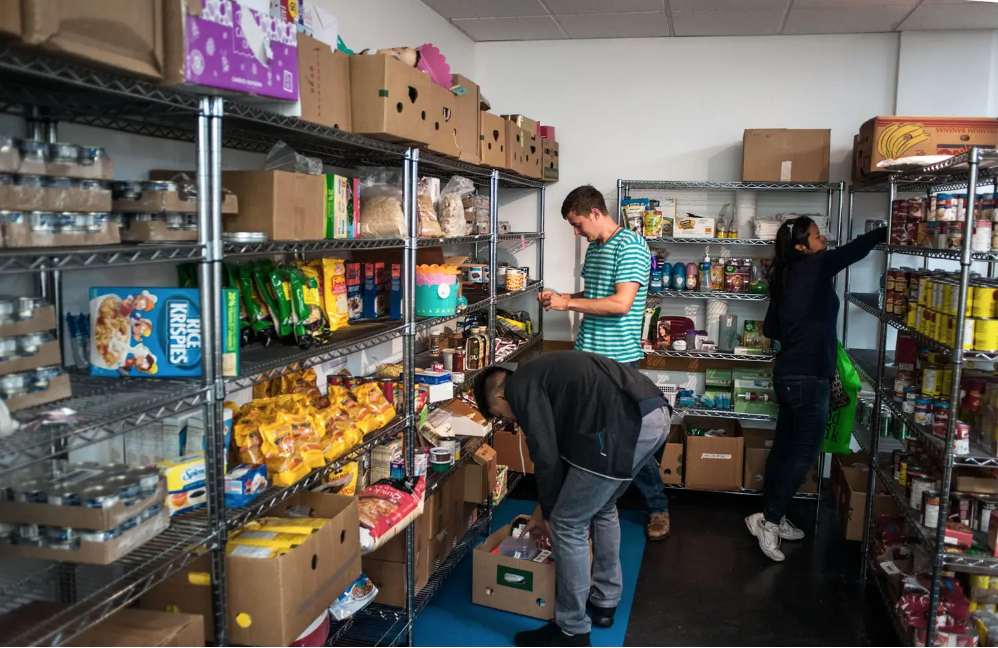
These on-campus food banks are used by thousands of students, but they’re reaching a breaking point. SFU recently abandoned their food bank and left the student union to run the program. But a lack of staff capacity meant they had to close their food bank. At UBC and UVic, a lack of staffing threatens to reduce service and the amount of food students can get. At other post-secondary campuses, there aren’t even food banks at all. This leaves students, especially rural students, without access to food.
Students are calling for the creation of the Student Food Security Grant. This would provide $1.5-per-student to each student union in BC to hire students to work at on-campus food banks. With a lack of staffing capacity being a huge barrier to providing students with food, this grant would create almost 50 jobs across BC and ensure all students have access to food for just under $650,000 a year.
But we want to make something clear; this is a desperate and immediate measure, not a permanent fix to food insecurity. Currently, student food insecurity is rising sharply, and this is necessary to get food to students quickly. At the same time, food banks don’t tackle the structural causes of food insecurity; they don’t ensure people have dignity and the right to food. Beyond just funding food banks, the province needs to ensure that food is treated as a right, creating the economic conditions that enable students to access food of their own choosing and means. Provincial policies must work to tackle the root causes of food insecurity.
For students, policies that tackle food insecurity at its root causes could include investing in affordable housing, increasing the BC Access Grant, and prioritizing creating good entry-level jobs for students. The province also needs to support strengthening local food systems to ensure dignified access to food is a right for all people in British Columbia.
Sincerely,
The Vancouver Food Justice Coalition
